We encourage researchers to publish papers, present at conferences, and take active roles in academic communities. ITLAB provides an environment where corporate research and academic contribution can go hand in hand throughout a researcher’s career. By sharing research outcomes openly, researchers contribute to the advancement of their fields and the broader research community.
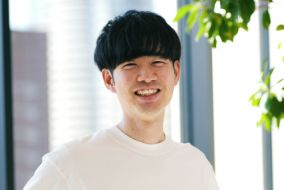
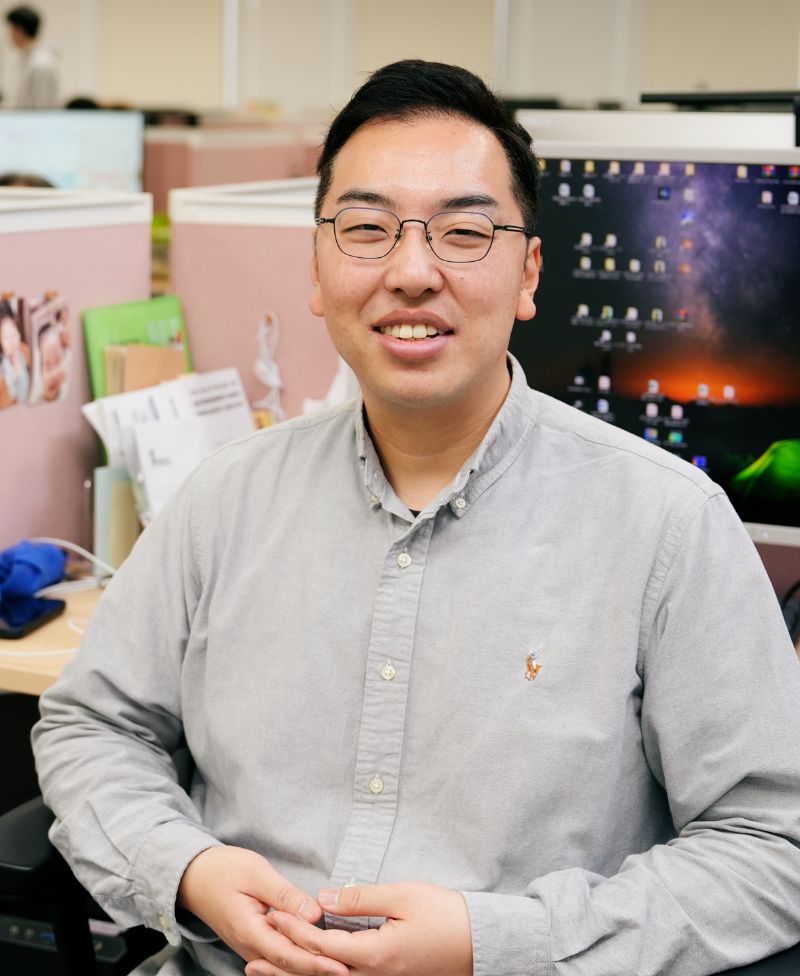
Some researchers go beyond presenting their own work and take on roles in conference organization and management. What motivates this level of engagement, and what value does it create? We asked Senior Researcher Shinichi Sumiyoshi, who has long been involved in academic community activities, to share his perspective.
Leading the organization of a wide range of academic events as a committee member
Fostering open forums for discussion and helping shape the direction of the field.
I have been involved in academic activities for three major academic communities in Japan in the field of computer vision: the PRMU (Technical Committee on Pattern Recognition and Media Understanding), MIRU (Meeting on Image Recognition and Understanding), and SSII (Symposium on Sensing via Image Information). I currently serve as a committee member involved in the organization of PRMU. In the past, I served as Vice Chair of the MIRU organizing committee, and at SSII I was previously entrusted with leading an organized session subgroup.
As a committee member, I play a central role in organizing a wide range of academic events, working to create an environment where researchers—regardless of age or experience—can connect and engage in active discussion. One of our key responsibilities is planning the annual schedule of meetings. For example, if a meeting is held four times a year, we carefully consider themes for each session and think about whom to invite for talks and sessions to make the meeting intellectually engaging. Theme selection is particularly important; if the themes fail to reflect current trends in the field, it can become difficult to attract a sufficient number of submissions. From the organizers’ perspective, the focus is always on how to energize the research community as a whole.
Building trusted relationships and gaining broad insights
Serving as an organizer enables deep professional connections and helps sharpen insight into emerging research trends.
One of the greatest benefits of being involved in the organization of academic events is the opportunity to build relationships with researchers across academia and industry and engage in deep, substantive discussion with them. Establishing relationships of mutual trust with such peers has sometimes led to collaborative research projects. In addition, the many discussions involved in selecting conference themes make it easier to anticipate future directions and emerging topics in the field.
Because organizers are responsible for designing academic events, we naturally develop a habit of keeping our information antennae wide open. For example, when considering a session that combines imaging and medical applications, we may realize that suitable datasets are not readily available and decide to reach out to a university hospital. In this way, seeking new connections in order to make a session viable ultimately allows us to gather broad and diverse knowledge beyond our immediate areas of expertise.
ITLAB encourages these forms of academic contribution because the insights and relationships gained through them can be brought back to the organization in many ways. We encourage participation in both domestic and international conferences not only to present one’s own research, but also to attend as a participant or contribute as an organizer. In the case of domestic conferences, no prior approval is required; it is sufficient to record the schedule in our shared calendar so that others are aware.

New questions emerge through dialogue across disciplines
Stepping outside your field opens the door to unexpected discoveries and collaboration.
I believe that new research topics are often born through interaction with researchers from different disciplines. When discussions are limited to closed environments with people from similar fields, it becomes difficult for new questions to emerge. To gain perspectives that I do not currently have, it is essential to step into open forums and engage in dialogue with researchers from different domains and backgrounds.
There are periods when preparation for research meetings overlaps with particularly busy phases of day-to-day work, making things genuinely challenging. However, I approach my research activities with the mindset that as long as there is balance over the course of a year, brief periods of intensity are simply part of the work.
Join Our Research at DENSO ITLAB
Where engineering curiosity
meets real-world impact