


JP
EN
MENU

Interview

Researchers Balancing Parenting and Work
―Where Research and Family Life Go Hand in Hand

Principal Researcher,
Research & Development Group

Yoshiaki Sakakura,
Ph.D.

Principal Researcher,
Research & Development Group

Ikuro Sato,
Ph.D.

Senior Researcher,
Research & Development Group

Hideki Shirai

At DENSO IT Laboratory (ITLAB), approximately 80% of researchers are married, and the number of employees with children has been steadily increasing. In recent years, ITLAB has placed particular emphasis on creating an environment that enables researchers to balance parenting and research over the long term, through comprehensive systems covering childcare leave, nursing care, and flexible discretionary work arrangements.
In this roundtable discussion, we spoke with three researchers who are successfully balancing research and childcare, each with different areas of expertise and family situations.

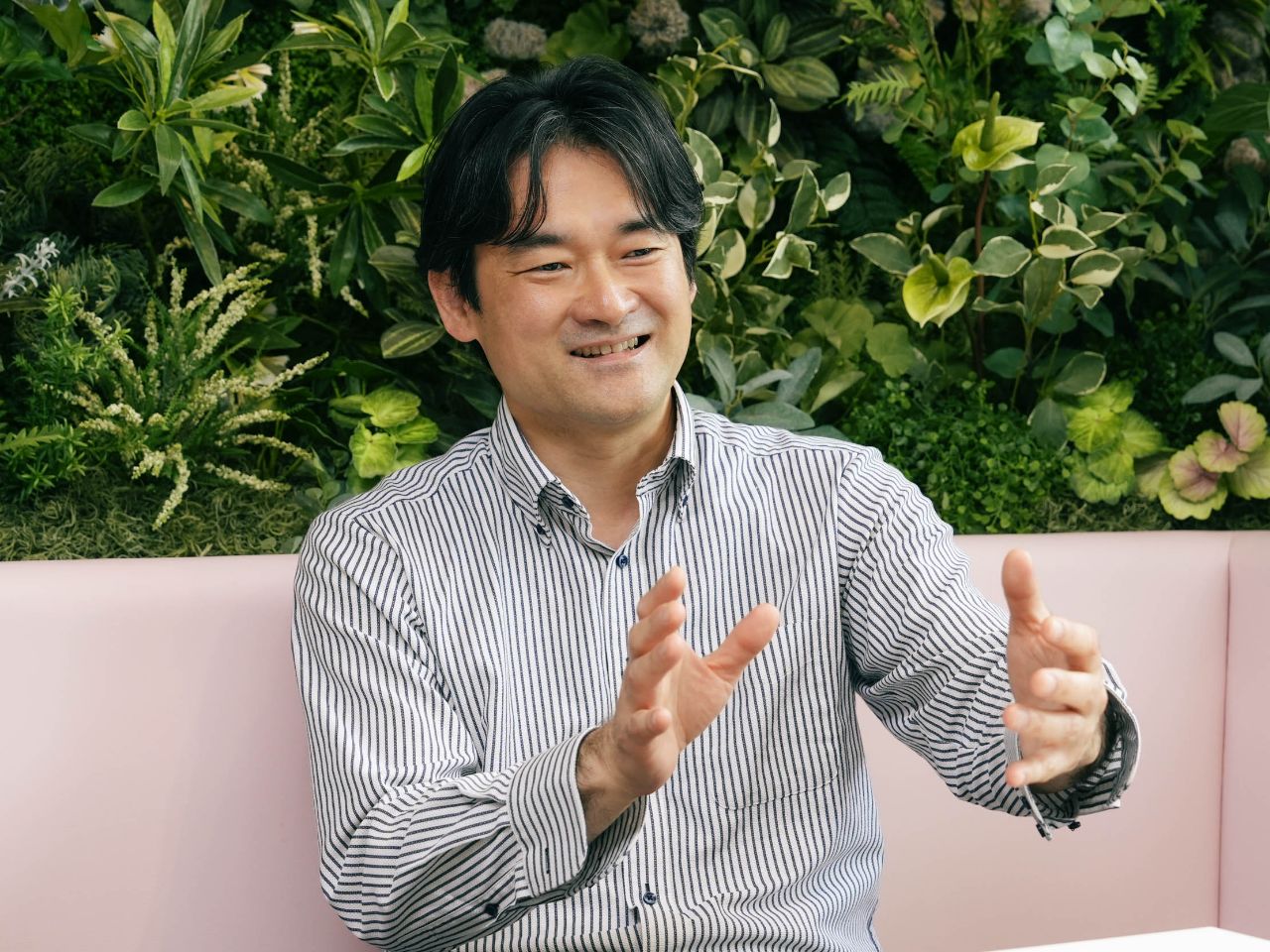
Sakakura-san, who joined ITLAB in 2007, has a background in numerical optimization and works on topics such as anomaly detection in factory equipment and household electricity demand forecasting. At home, preparing breakfast and packed lunches for his daughters is part of his daily routine.

Sato-san, who joined in 2008, began his career specializing in theoretical physics and now conducts research on machine learning and image recognition for automated driving and driver assistance systems. At home, he also shows a creative side, enjoying cardboard crafting with his son.

Shirai-san, who joined in 2001, has long been involved in R&D for in-vehicle sensors and car navigation systems using image recognition technologies. He currently serves as a manager, acting as a bridge between research and business. At home, he places the highest importance on communication with his family.

How do they make use of flexible working arrangements? What do they value most when balancing research and family life? We explore the real working styles and lifestyles of these three researchers as they share their experiences.


Company Systems Designed to Sustain Research and Family Life

ITLAB offers flexible systems to support parenting while continuing research—for instance, employees can work remotely except on Tuesdays and Wednesdays. How has this flexibility worked out for you?

Sato

These systems make it much easier to continue my research while responding to family needs. When a child is sick or schools are temporarily closed, I can stay with my child without interrupting my work. ITLAB recognizes that research can continue even when researchers work from home. Since my wife and I both work, this flexibility is essential for our family.

Shirai

Because our discretionary work system has no fixed core hours, we can adjust our schedules on a daily basis. When my wife was pregnant, I was able to drive her to medical appointments.

Sakakura

I use the discretionary work system to structure my mornings around family needs. I start the day by preparing breakfast and packed lunches for my daughters, begin work from home around 9 a.m., and go into the office later in the day. Sharing household responsibilities during busy mornings brings a sense of ease to our daily life and allows me to spend meaningful time with my children.

Building Family Trust Enables Deep Focus on Research

How does this environment support your ability to focus on research?

Sato

Research does not always involve constant deadlines, but major milestones such as paper submissions require intense concentration. Maintaining strong day-to-day family relationships makes it possible to commit fully during these demanding periods.

Sakakura

When you are deeply engaged in research, weekdays and weekends lose their distinction. If I need to focus on a problem over the weekend, I can do so because we have established mutual understanding and trust within our family.

Sato

For researchers, time spent at a desk does not necessarily correlate with outcomes. I intentionally separate tasks I handle at the office and at home, balancing my professional and family roles. Remote work and discretionary systems make this balance realistic rather than aspirational.

Flexibility Expands Choices for the Whole Family

How does this flexibility affect your family?

Sato

Children actually have the least control over their schedules, especially once they begin school and extracurricular activities. In dual-income households, time conflicts are inevitable unless parents can work flexibly. My current working style allows our family to continue as a dual-income household without constant strain.

Sakakura

My wife has chosen to focus on family care during this phase of our children’s lives, with the intention of returning to work later. Initially, she planned to do so when our children were older, but my flexible work arrangement has expanded her options, allowing her to reconsider that timeline. What makes this particularly valuable is that the flexibility extends beyond the employee—it opens up real options for the whole family.

Shirai

My wife previously worked at ITLAB, so she already understands the systems and culture. That shared understanding leaves me with very few excuses at home, which can be challenging—but also fair (laughs).

A Culture Where Work–Life Balance Continues to Evolve

Beyond formal systems, are there cultural aspects that support balance?

Sato

Our CEO and CTO often ask how the work environment can be improved. Because ITLAB is relatively small, feedback is reflected quickly. Around 80% of researchers are married, and nearly 90% of them are parents. Many of us have children of similar ages, which naturally creates a strong sense of empathy and mutual support.

Sakakura

There has long been a belief at ITLAB that fulfilling personal lives lead to better research outcomes. Parenting is seen as an important part of that personal life. The rapid increase in colleagues raising children over the past five years has reinforced this mindset.

Shirai

Remote work systems have expanded significantly in recent years, and support continues to grow. As a result, the atmosphere within ITLAB has become increasingly positive and collaborative.

An Environment That Supports Researchers at Every Life Stage

Finally, what message would you share with researchers considering a career change?

Sato

I would recommend this environment to researchers of any gender. In addition to maternity leave, ITLAB offers childcare leave of up to three years per child and short-time work options totaling up to four years. The organization supports researchers in maintaining long-term research continuity and quality rather than expecting uninterrupted output. While expectations for results remain high, those who value depth and quality in their work will find this environment well suited to them.

Shirai

This is not only about balancing childcare, but about balancing family life as a whole. Paid leave is easy to take, and working hours are flexible. These conditions make it easier to maintain strong family relationships over time.

Sakakura

Working here creates emotional space within the family. Conversations with my wife have become more frequent and more forward-looking—about work, future careers, and shared visions. Being able to discuss the future constructively, rather than reactively, is one of the most valuable outcomes of this environment.

ITLAB clearly offers an environment where researchers can balance family, research, and life over the long term. Thank you very much for sharing your experiences.

Careers